
Social media plays a significant role in teenagers’ lives. Through social media, teenagers have the opportunity to keep in touch with friends, express themselves, try out new hobbies and experience a feeling of belonging to a certain community.
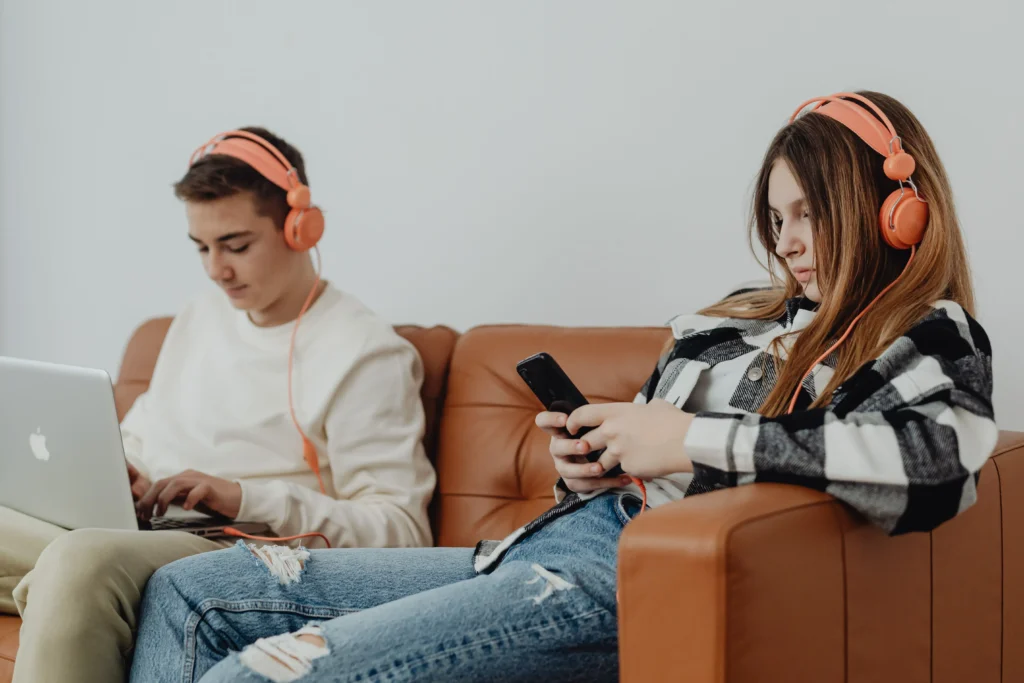
According to a 2026 eSafety Commissioner report, 96% of Australian children aged 10 to 15 had used social media. However, excessive use of social media becomes a concern when scrolling, posting and checking notifications interfere with sleep, studies, relationships and the overall wellbeing of a teenager.
The concept of “social media addiction” refers to a habit of teenagers when they feel unable to control their activity on social media despite its harmful consequences.
Spending hours online does not necessarily mean an addiction to social media. The key point is whether this activity serves as a substitute for real human relationships in a teenager’s life or is becoming hard to control.
A World Health Organisation study involving almost 280,000 young people across Europe, Central Asia and Canada found that 11% showed signs of problematic social media behaviour. The rate was higher among girls at 13%, compared with 9% among boys.
Why Can Social Media Become Hard to Control?
First of all, social media platforms are created in such a way as to grab the attention of users. The engagement factors of notifications, likes, comments, and refreshable content makes users return to the platform again and again. It works especially well with teenagers whose main needs at this age are friendship, social recognition and the need to belong.
Secondly, the fear of missing out is another factor that keeps teenagers connected with social networks. They think that they would miss the jokes, trends, interesting posts and news from their friends if they aren’t constantly checking the updates on their social media. Gradually, checking social media becomes a reaction to boredom, loneliness or stress.
What Are the Signs of Social Media Addiction in Teens?
Patterns of social media usage can be different for each teenager. Parents should therefore pay attention to changes in a young person’s behaviour rather than focusing only on how many hours they spend online. Australia’s eSafety Commissioner recommends considering whether online activity is interfering with a young person’s overall health, sleep, exercise and relationships.
Some of the signs of social media addiction include:
- Becoming anxious, nervous and irritated because of the inability to use social media
- Constant checking of notifications including during meals, studying and having a conversation
- Staying online late at night and regularly losing sleep
- Having difficulties in reducing the usage of social networks despite attempts
- Losing interest in sports, hobbies and communicating with friends in real life
- Decline in academic performance and concentration
- Hiding or lying about the hours spent on social media
- Using social media as a means of running away from stress, sadness and loneliness
- Being affected by comments, likes and comparison with other people
One single sign may not prove a problem. However, a combination of a few signs can show that a teenager needs additional support.
How Can Excessive Social Media Use Affect Teenagers?
One of the most evident consequences is sleep disturbance. Late-night browsing, notifications and the need to be online all the time can affect the bedtime of teenagers and interrupt their sleep.
Consequently, tiredness, irritability, poor concentration and problems with managing emotions during daytime can appear due to this problem.
Social comparison can also affect confidence. Young people can compare their everyday life with carefully selected photos of other people’s appearance, relationships and achievements.
A 2026 Australian study published in the Medical Journal of Australia found that more than two hours of daily social media use was associated with small increases in the future risk of depressive symptoms and poorer wellbeing.
Other possible effects include cyberbullying, exposure to dangerous content, conflicts with the family and lack of time for physical activity or real-life relationships.
How Can Teenagers Develop Healthier Social Media Habits?
It’s not about deleting every account or social media app. A realistic plan that involves balance may be more achievable in the long term.
Teenagers can begin by checking their daily screen-time report and identifying which platforms consume the most time. Turning off unnecessary notifications, deleting apps which distract teenagers from what they are doing, and unfollowing accounts that make them feel stressed can reduce automatic checking.
By putting devices aside during meals, studying and conversations with people, teenagers can concentrate on one thing at once. Charging phones outside the bedroom and stopping screen use before bedtime may support better sleep.
Physical activities, creative hobbies, family meetings and spending time with friends can help to find healthy ways to relax and have fun.
Parents should start a conversation with curiosity rather than accusations. Asking what a teenager enjoys about social media, what makes them uncomfortable and what changes feel achievable can prevent them from becoming defensive.
When Should Teenagers and Parents Seek Support?
Professional support may be helpful when social media use continues to affect sleep, school attendance, relationships, mood or everyday responsibilities. It can be useful for a teenager to speak with a GP, school counsellor or psychologist. Hargan Psychology provides professional psychological support for children and adolescents for families seeking additional guidance.
This support isn’t limited to just the overuse of devices and social media technology. A psychologist can help to understand whether anxiety, low self-esteem, bullying, loneliness or difficulties in friendships influence the excessive usage of social networks. When online behaviour is creating conflict across the household, family therapy may also help families communicate and establish healthier boundaries.
How Can the BEST Teens Program Help?
Hargan Psychology’s BEST Teens program stands for Building Essential Skills Together™. It is a supportive educational program designed for young people aged 13 to 18.
Conducted during the school holidays, this program includes the exploration of adolescent development, emotional regulation, decision-making, social media safety, relationships, addiction, mental wellbeing and academic success.
Teenagers participate in group discussions, worksheets and skill-building activities that encourage self-awareness and help them develop practical coping strategies.
Social media should be one part of a teenager’s life, not something that controls their life. With open discussions, reasonable boundaries and professional support, teenagers can develop healthier social media habits and strengthen their skills and real-life connections.