
The online space is becoming the norm across most aspects of everyday life. While online platforms can provide healthy social communication, it is important that young people and adults understand the risks and how to use online platforms safely.
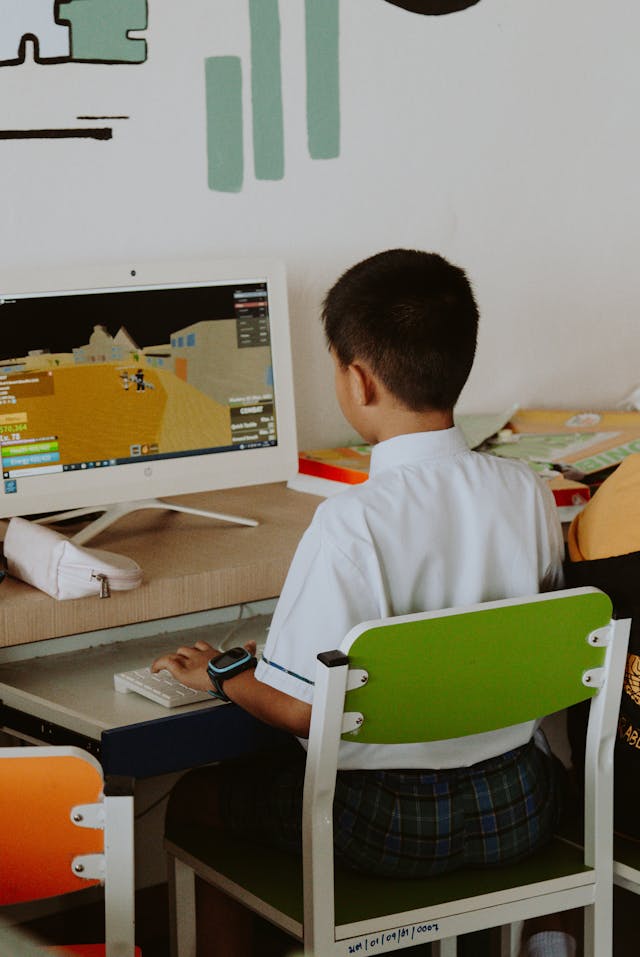 Roblox is an online gaming platform where users can design their own games and play a wide variety of games. Roblox holds millions of user-created games and can be a space for creativity and invention. However, Roblox lists their minimum user age as young as 5 years of age and parental controls to be engaged for under the age of 13 years old.
A recent study concluded that an estimated 1.7 million young Australians are engaged on Roblox with 61% of children aged between 6 and 13 years old. The platform hosts around 151.5 million daily users with approximately 44% of those being over the 17 years-old. Restrictions have been put on under 16-year-olds in Australia for a variety of social media sites, however despite its chat function, Roblox is widely considered a gaming platform and does not currently have the same safety restrictions as other apps. Read on as we discuss Roblox safety, Discord safety, and online gaming awareness and safety practices for parents.
Roblox is an online gaming platform where users can design their own games and play a wide variety of games. Roblox holds millions of user-created games and can be a space for creativity and invention. However, Roblox lists their minimum user age as young as 5 years of age and parental controls to be engaged for under the age of 13 years old.
A recent study concluded that an estimated 1.7 million young Australians are engaged on Roblox with 61% of children aged between 6 and 13 years old. The platform hosts around 151.5 million daily users with approximately 44% of those being over the 17 years-old. Restrictions have been put on under 16-year-olds in Australia for a variety of social media sites, however despite its chat function, Roblox is widely considered a gaming platform and does not currently have the same safety restrictions as other apps. Read on as we discuss Roblox safety, Discord safety, and online gaming awareness and safety practices for parents.
For families seeking more structured opportunities for online social connection, FriendWorX is an Australian service that brings together small, age-matched groups of up to four young people aged 8–17 for facilitated cooperative gaming. Supported by an adult Guide, scheduled sessions and managed gaming accounts, the focus is on creating opportunities for friendship, communication and belonging in a more supported online environment.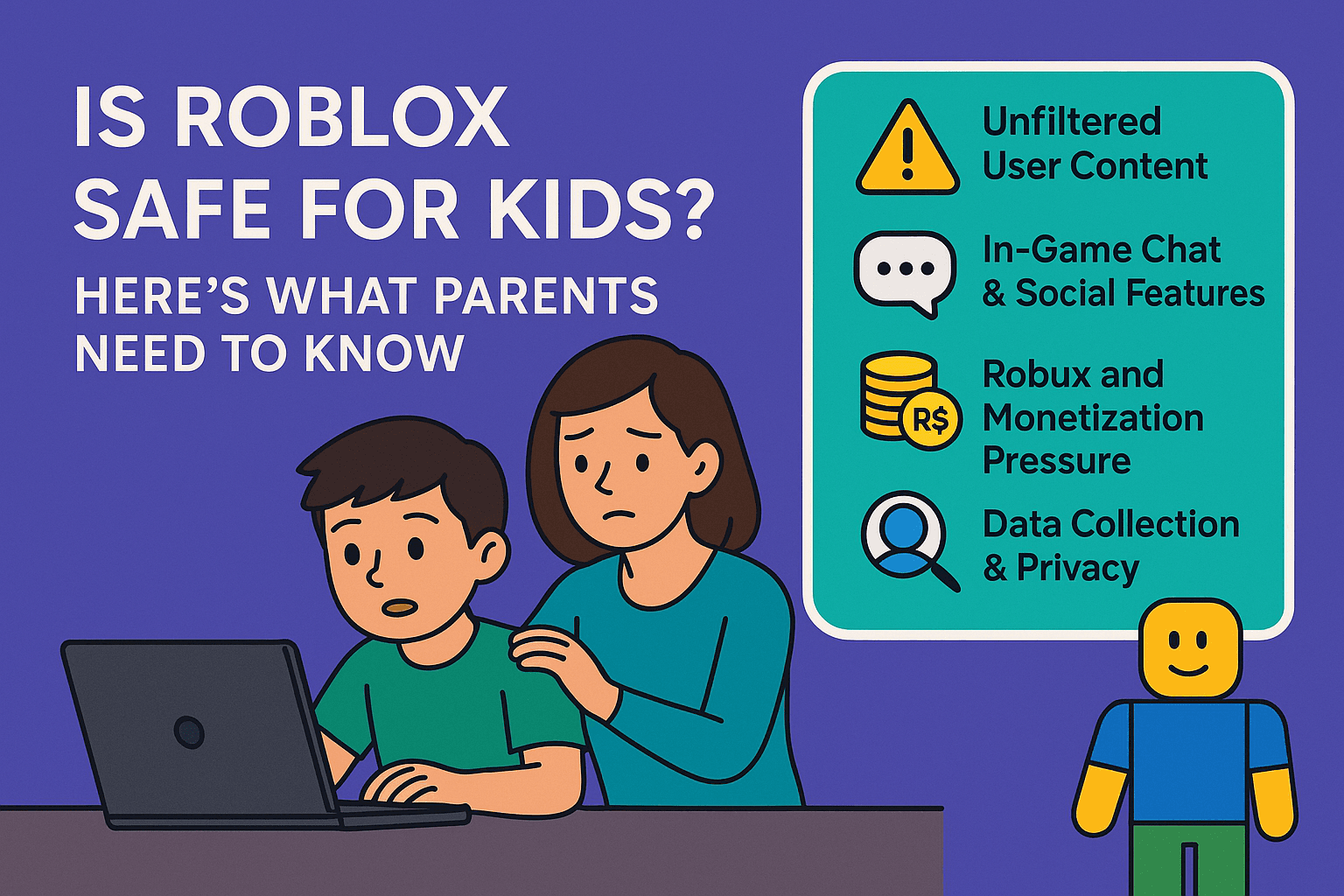
 There are a variety of organisations with support available for young people, parents and people of all ages.
Roblox is an online gaming platform where users can design their own games and play a wide variety of games. Roblox holds millions of user-created games and can be a space for creativity and invention. However, Roblox lists their minimum user age as young as 5 years of age and parental controls to be engaged for under the age of 13 years old.
A recent study concluded that an estimated 1.7 million young Australians are engaged on Roblox with 61% of children aged between 6 and 13 years old. The platform hosts around 151.5 million daily users with approximately 44% of those being over the 17 years-old. Restrictions have been put on under 16-year-olds in Australia for a variety of social media sites, however despite its chat function, Roblox is widely considered a gaming platform and does not currently have the same safety restrictions as other apps. Read on as we discuss Roblox safety, Discord safety, and online gaming awareness and safety practices for parents.
Roblox safety concerns – the in-game spending and addiction risks
Roblox is the in-app currency that can require the use of real money and thus can be subjected to addictive behaviours, particularly with presentations more susceptible to this dopamine reward system boost. A study by the University of Sydney has likened the Roblox in-game spending mechanisms to be similar to “child gambling”, “scams” and “cash grabs”, with results explaining how this causes harm to young people. Parents have reported feeling overwhelmed to protect their children, whereby the deceptive and confusing nature creates a cycle of spending that can lead to significant emotional and financial distress. Professors have stressed the need for e-safety and enacting mechanisms to protect children, as the reward mechanisms increase the likelihood of problematic gambling and addictive behaviours later in life. Such problematic behaviours learnt from an early age can manifest into adulthood, leading to increased stress, anxiety, and impacts on impulse control, executive functioning and decision-making. Overall, it is important to recognise the ways in which technology can impact the brains’ reward pathways, particularly in children during their developmental years.The benefits and risks of Roblox’s social features
Roblox includes a variety of social hangout functions, where you can text, voice chat or create with other users on the platform. Similar to discord chat functions, there are a variety of positives for overall health and wellbeing, including social connection, friendship, belonging, creativity and self-expression, stress-relief, learning digital literacy. The language and communication styles children are exposed to online are increasingly shaping the way they interact with others and may influence their social and emotional development. Play remains an important part of healthy childhood development, supporting communication, empathy, and relationship-building skills. However, schools are beginning to observe concerning patterns in the way some children communicate with peers, including the use of inappropriate or harmful interaction styles learned through online content and digital platforms. For families seeking more structured opportunities for online social connection, FriendWorX is an Australian service that brings together small, age-matched groups of up to four young people aged 8–17 for facilitated cooperative gaming. Supported by an adult Guide, scheduled sessions and managed gaming accounts, the focus is on creating opportunities for friendship, communication and belonging in a more supported online environment.Child safety issues on Roblox and Discord – is it safe?
Roblox is currently facing approximately 35 separate lawsuits investigating claims of child sexual exploitation and abuse. Whilst there are systems in place to report inappropriate behaviour, there has been growing concerns about online child grooming and sexual exploitation. Roblox is in the hotspot, rightfully so, to ensure safety and regulations are acceptable to protect society. Without the appropriate safety precautions children could be exposed to pornography, violent content, hate speech, abusive speech and bullying and more.Understanding the broader impact of excessive screen time
Gaming, Xbox, Nintendo switches, YouTube, PlayStation, phone games, social media, kids messengers and chat forums, the list goes on, all have benefits for functioning, though can all fall under the umbrella of excessive screentime. Excessive screen time has been linked with:- Increased likelihood of obesity and poor diet
- Sleep disorders
- Depression and Anxiety
- The ability to interpret emotions
- Aggressive conduct
- Impacts on language development by reducing time spent between child and caregiver
- Eye strain, impacted posture or accidents (e.g., viewing a screen while walking)
The positives of healthy technology use
But what are the positives? Many! The use of healthy technology use can- Impact cognitive development by fostering accessible and clearly understood learning pathways to improve academic outcomes.
- Foster children’s learning, development and play
- Critical thinking and access to learning
- Promote exercise and active moment
- Help children develop skills for problem-solving, social collaboration, communication and creativity!
What can we do?
As technology becomes increasingly integrated into our daily lives, it is important to recognize its many benefits while ensuring we implement safe practices to protect ourselves and our families. Key focuses can include:- Keeping up to date with understanding gaming platforms and technology mechanisms
- Parents setting clear and aligned boundaries with kids around screen usage and safety
- Using parental controls wherever possible for safety purposes – is their account set up with their correct birthdate?
- Using platforms and digital technology that are age-appropriate
- Ensuring children connect online with people they know
- Continuing to encourage offline experiences and social interaction
- Recognising that various platforms allow for social connection that can be important for overall health and wellbeing, and removing it entirely instead of incorporating safety and open communication, can sometimes lead to more harm
- Take an interest in children’s online activities to encourage conversation and trust to express their experiences
- Modelling balanced screen habits; we have all been victims of doom-scrolling!
For families seeking more structured opportunities for online social connection, FriendWorX is an Australian service that brings together small, age-matched groups of up to four young people aged 8–17 for facilitated cooperative gaming. Supported by an adult Guide, scheduled sessions and managed gaming accounts, the focus is on creating opportunities for friendship, communication and belonging in a more supported online environment.
Practical steps for Roblox safety and Discord safety
Do not give away any sensitive information. While this can be common practice for adults, information and understanding for children in their developmental years can be crucial. This includes not sharing the following information:- Name
- Age and date of birth
- Addresses
- School Name, uniform, logo or information
- Any bank or card details
- Passwords to your accounts or devices
- Information about extracurricular activities, location, teacher, company etc.
- Photos or videos with environmental cues in the background
Source: Diy.org
The following websites contain resources for parent viewing that can assist with the above recommendations to develop digital literacy whilst keeping our kids safe!- https://www.esafety.gov.au/parents/resources
- https://raisingchildren.net.au/school-age/school-learning/learning-ideas/screen-time-helps-children-learn
- https://www.esafety.gov.au/key-topics/esafety-guide
- https://raisingchildren.net.au/school-age/media-technology/school-age-digital-family-life/shared-screen-time
- https://raisingchildren.net.au/pre-teens/entertainment-technology/cyberbullying-online-safety/internet-safety-9-11-years
- https://www.commonsensemedia.org/articles/parents-ultimate-guide-to-roblox
- https://www.thekids.org.au/projects/the-early-start-screen-smart-program/free-screen-time-resources-for-parents/
- https://www.kidshealth.org.nz/positive-aspects-of-screen-time-for-children-young-people
- https://digitalchild.org.au/screen-time/
- https://www.abc.net.au/education/how-screens-affect-physical-health-and-development-of-children/103215644
There are a variety of organisations with support available for young people, parents and people of all ages.
- Kids Helpline
- Raising Children Network
- Beyond Blue
- Headspace
- 13YARN
- Reach out
- Minus18